How to Layer Perfume: A Fragrance Layering Guide
Layering is how perfumers themselves often wear fragrance — combining complementary scents or fragrance-adjacent products to build something with more depth than any single bottle offers. Done thoughtfully, it can also extend how long a
SHANSILLAGE Editorial Team
Reviewed for accuracy · Last updated 3 July 2026
What Layering Actually Means
Layering isn't about randomly spraying two perfumes on top of each other. It's a deliberate technique of combining scented products — an unscented or lightly scented base, a fragrance, and sometimes a second complementary fragrance — so the notes interact rather than compete. The goal is a composition that feels intentional, not a scent collision.
The Three-Layer Method
Base: An unscented or barely-scented moisturizer
Hydrated skin holds fragrance oils far longer than dry skin. This layer isn't about adding scent — it's about giving the perfume something to cling to.
Core: Your primary fragrance
Applied to pulse points as usual. This is the anchor scent that defines the composition — everything else should support it, not overpower it.
Accent (optional): A second, complementary fragrance
Applied sparingly, and only to one or two points, to add a note the primary fragrance lacks — a touch more warmth, sweetness, or depth.
Pairings That Tend to Work
Layering works best when notes share a family or complement each other tonally, rather than clashing. As a general guide, drawing on the fragrance families covered in our notes explained guide:
- Woody + Amber: Sandalwood-forward scents pair naturally with amber and resin, deepening warmth without introducing conflicting notes.
- Citrus + Woody: A light citrus spray in the morning fades into a woody base beautifully, giving a fresh opening with a grounded dry-down.
- Floral + Musk: Soft florals gain longevity and a skin-like warmth when layered under a musky base.
- Avoid: Combining two dominant, high-projection scents from opposing families (for example, a heavy oud with a sharp aquatic) — one will usually win awkwardly rather than blend.
Layering With a Single High-Concentration EDP
You don't need multiple bottles to layer effectively. A single well-formulated 18%+ EDP already contains layered notes — top, heart, and base — designed to unfold over time. In that case, "layering" simply means:
- Applying to multiple pulse points instead of just one, so the fragrance projects from several sources
- Spraying once in the morning and once mid-afternoon, so a fresh top-note layer sits over a settled base-note layer
- Pairing with an unscented moisturizer as the true "base layer" for longevity
Common Layering Mistakes
- Over-applying the accent layer: A second fragrance should whisper, not compete. One spray, one location.
- Layering two loud fragrances: If both scents are designed to be the star, they'll fight rather than blend.
- Ignoring skin chemistry: Test any new pairing on skin, not paper — body chemistry changes how notes combine.
The best layering is subtle enough that people notice you smell wonderful, without being able to pinpoint exactly why.
A Fragrance Complex Enough to Wear Alone
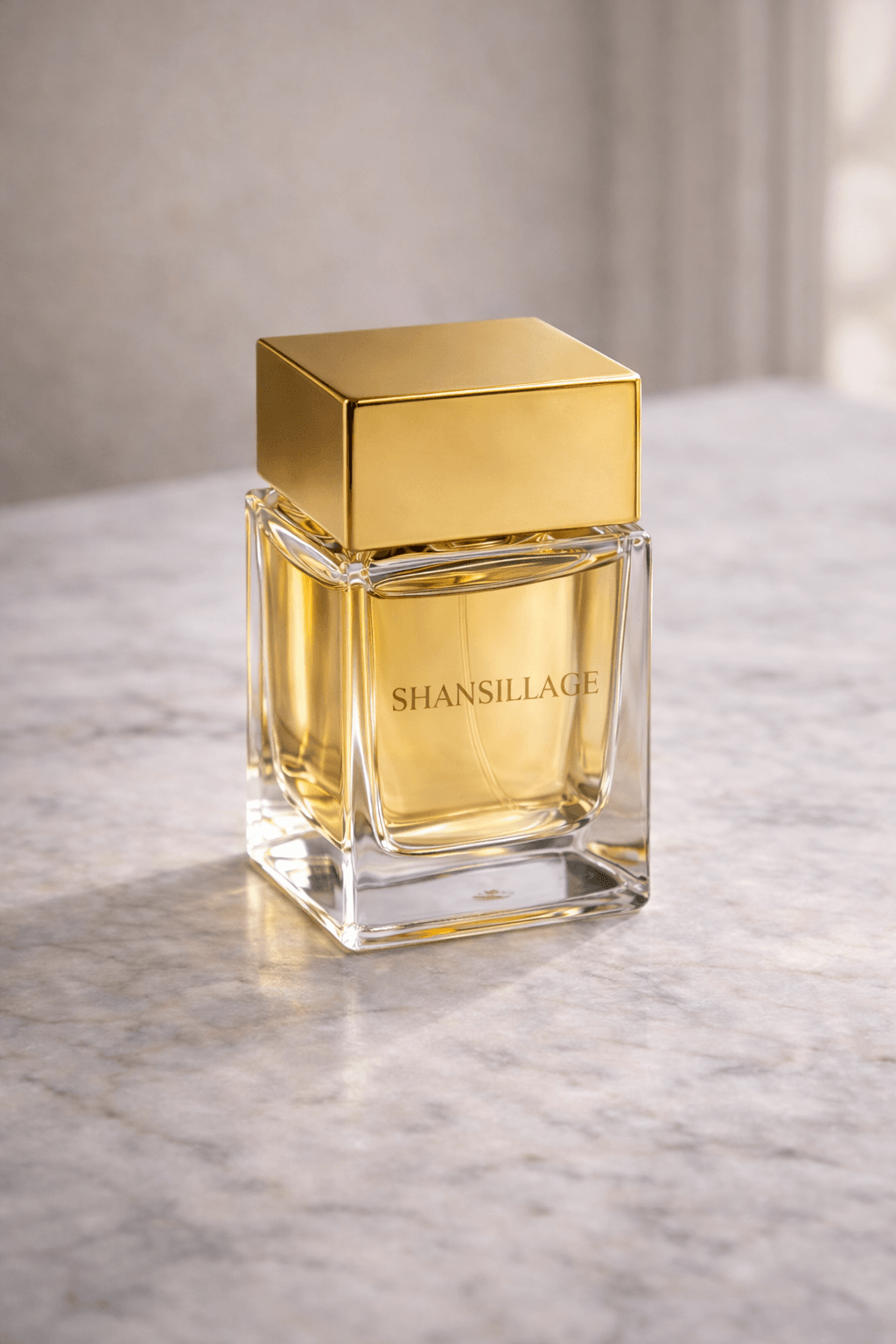
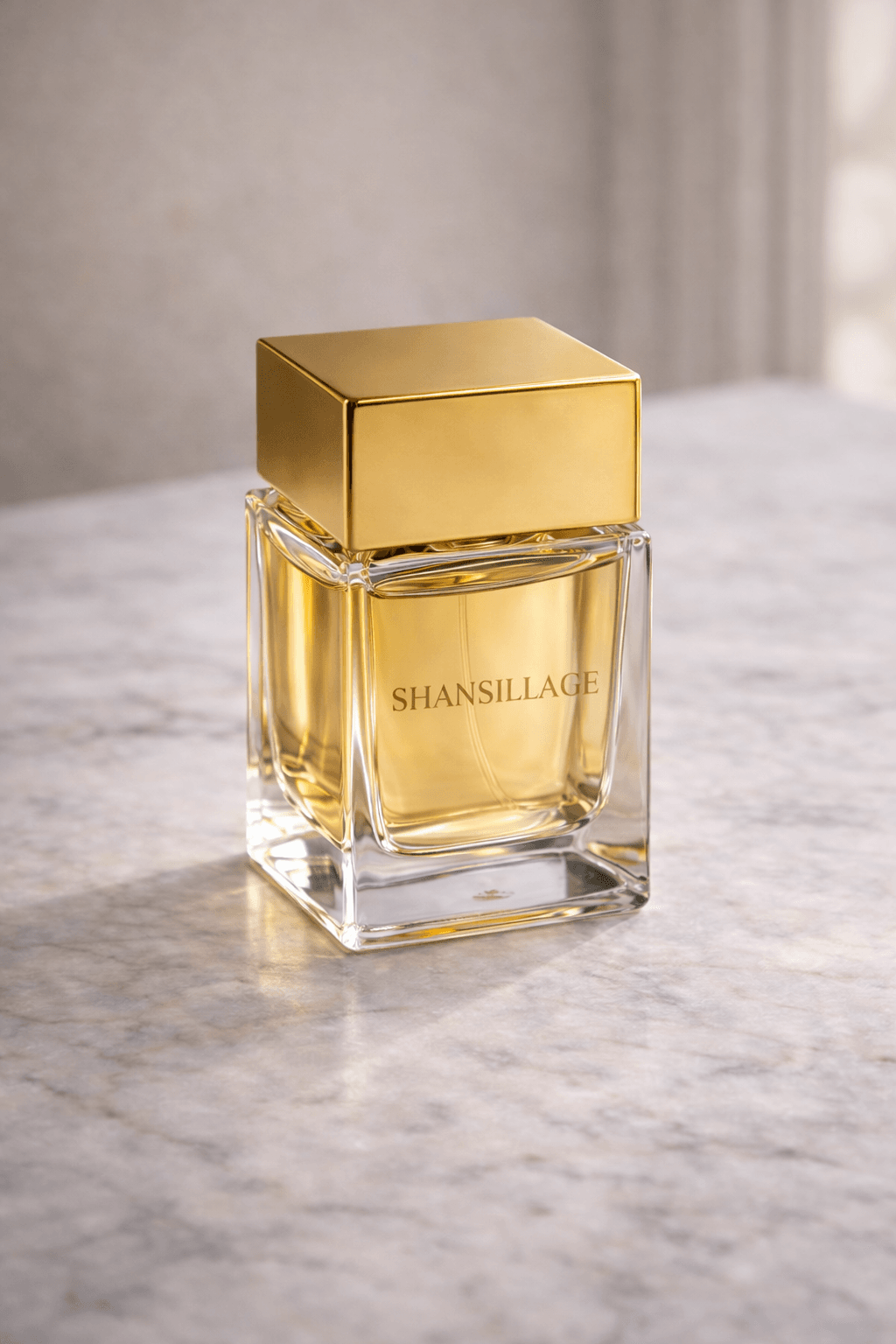
Privé's layered top, heart, and base notes are built to unfold across the day — no second bottle required.
Discover Privé