The most common way to ruin a good perfume is to wear too much of it. More sprays do not mean more luxury. They mean the top notes never get out of the way, and the people around you smell alcohol and sweetness instead of the perfume you paid for.
A practical spray count
- Eau de toilette: 4–6 sprays. The oil level is lower, so the scent needs more surface.
- Eau de parfum: 2–4 sprays. This is the range for a normal day.
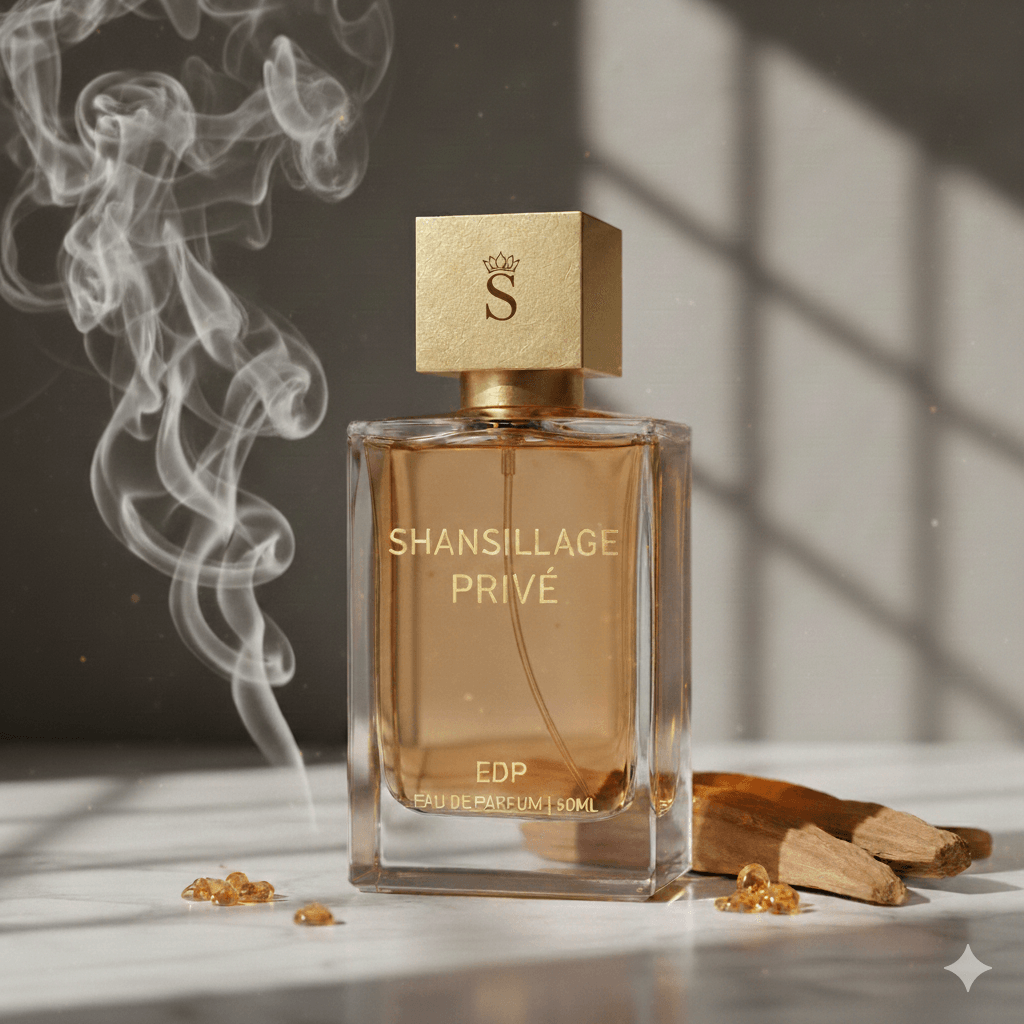
- High-concentration EDP (15–20% oil): 2–3 sprays. Privé sits here. A fourth spray is for open air, not a meeting room.
- Parfum or oil attar: one dab, or a single spray if it is a spray parfum. Then stop.
The concentration guide in EDP vs EDT vs parfum is the reason these numbers differ. You are dosing oil, not pressing a button for “more nice.”
Where those sprays should go
Pulse points are warmer, so they push scent into the air: the base of the throat, the wrists, and the inner elbow. Do not rub your wrists together. Rubbing breaks the top notes and heats the skin unevenly, which is why the perfume smells different five minutes later. The longer method is in how to apply perfume for longevity.
Adjust for the room, not your mood
An office, a temple, a car, and a wedding do not want the same dose. In air-conditioning, scent feels quieter, so people overspray and then walk into a warm street where it blooms all at once. Spray for the warmest place you will be in, not the coolest. In monsoon humidity, two sprays of a woody perfume travel further than they do in January. The monsoon notes guide is the seasonal half of this advice.
Making a bottle last
A 50 ml EDP used at three sprays a day, five days a week, is a year’s bottle for most people. Spraying eight times “so it lasts” does the opposite: you finish the bottle and smell less refined. Store what you are not wearing away from the bathroom light, as described in how to store perfume.