Sandalwood is the note Indian perfume is known for, and also the note most often faked. A good sandalwood fragrance smells creamy, milky, and quiet, like polished wood after rain. A poor one smells like sweet smoke or a bar of soap. Learning the difference saves you from bottles that shout “woody” and fade in an hour.
What real sandalwood smells like
True sandalwood oil is soft. There is a milky facet, a faint rose-like lift, and a dry wood that never turns sharp. It does not smell like a campfire, and it does not smell like vanilla syrup. On skin it should still be recognisable after three hours, because sandalwood is a base note: it sits under the perfume and holds the rest of the formula down.
The notes guide explains why base notes outlast the citrus you smell in the shop. Sandalwood is the clearest example. If a “sandalwood” perfume is gone before lunch, the wood was never really there.
Mysore style, and why the name is used loosely
Mysore sandalwood became famous because the climate and the age of the trees produced an unusually creamy oil. Harvest is controlled, and the oil is expensive. Many modern perfumes therefore suggest sandalwood with a blend of other woods, musks, and lactonic notes rather than a large dose of the oil itself. That can still be beautiful. It is not the same thing as a bottle of aged oil.
- Creamy and quiet after an hour: likely a considered woody base.
- Sharp, smoky, or pickle-like: often a cheap wood replacer, overdosed.
- Only sweet at the start, then nothing: a top-note costume, not a sandalwood perfume.
How sandalwood behaves in Indian weather
Heat opens wood. In May, a heavy sandalwood can feel thick by midday unless the formula has air in it — a little citrus or spice at the top, amber rather than sugar in the base. In winter and in air-conditioning, the same note feels polished and lasts longer. The summer perfume guide covers how humidity changes wear, and it applies directly to woody scents.
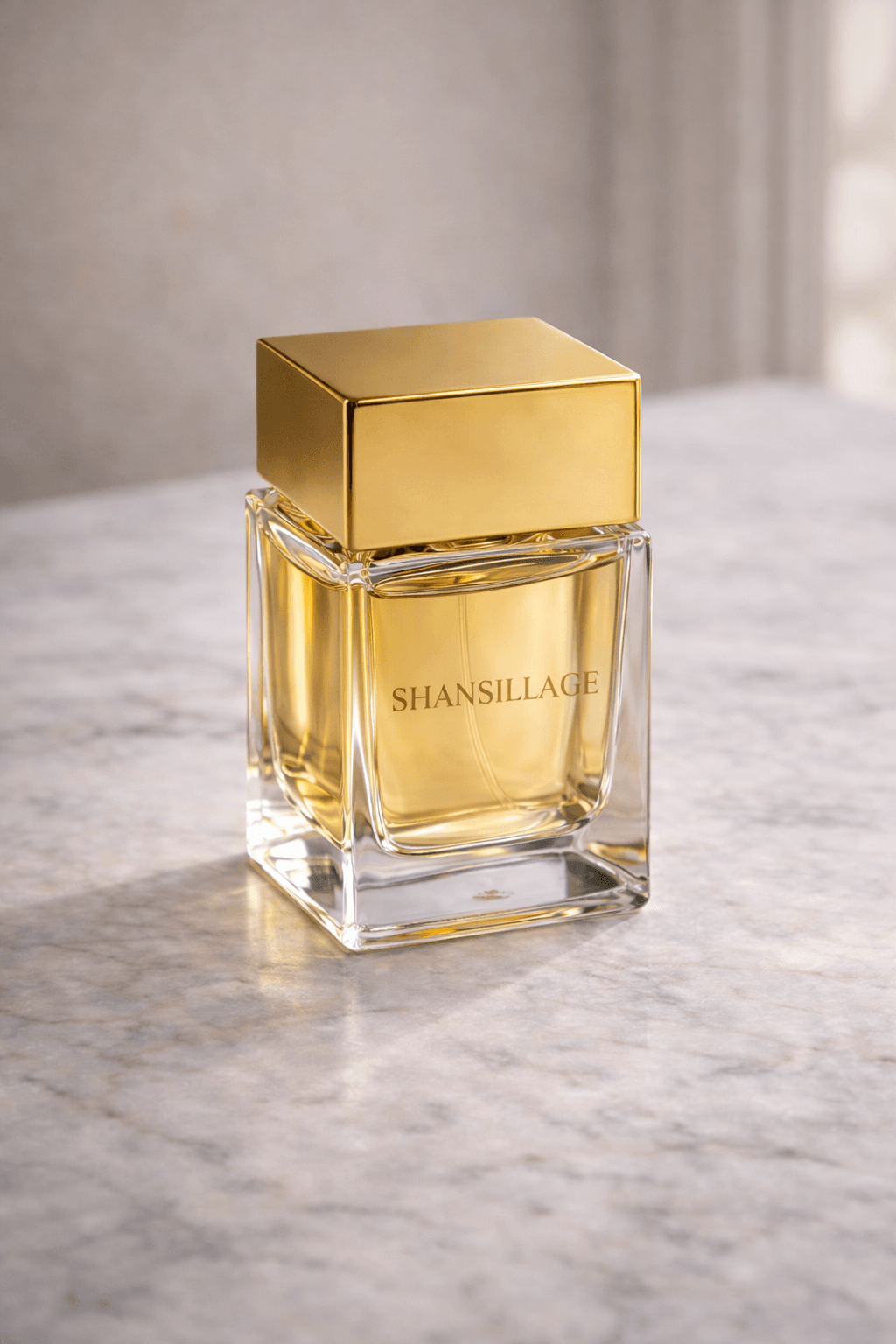
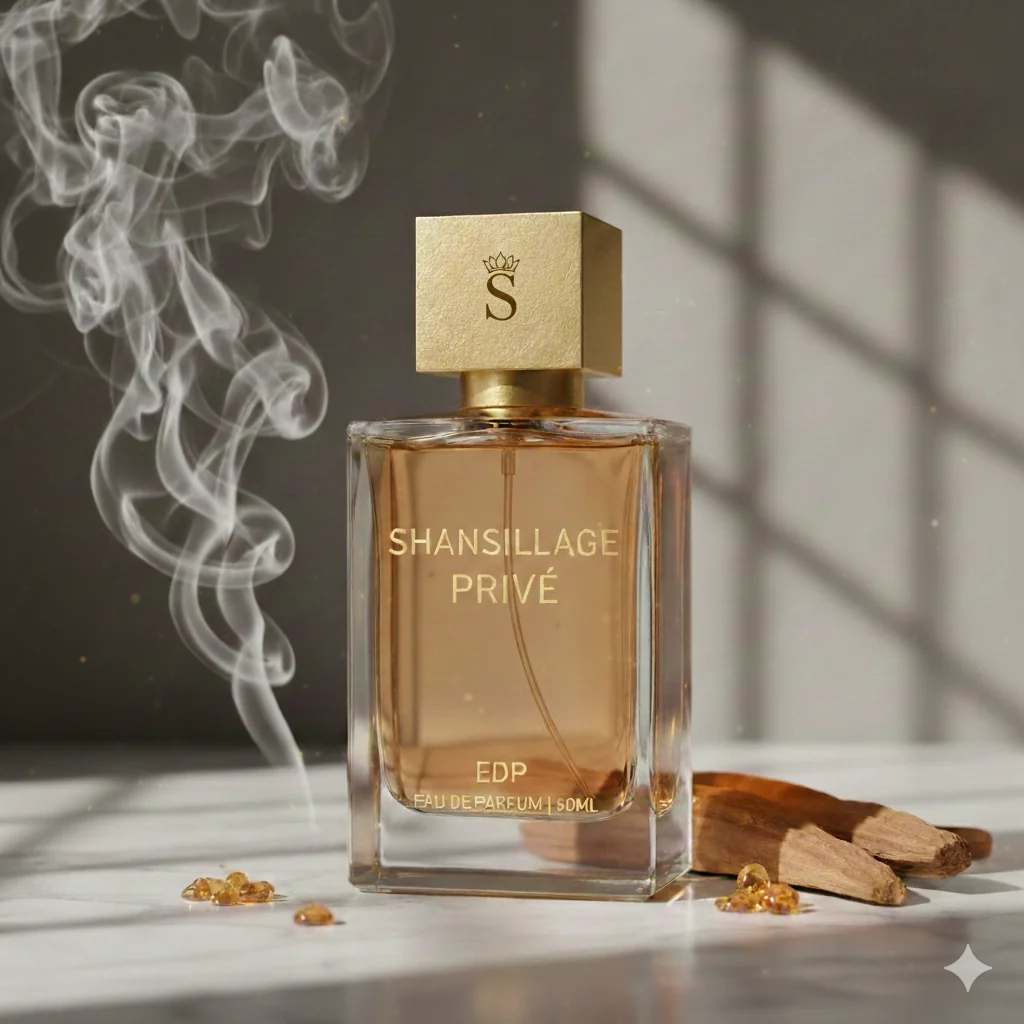
Shansillage Privé is built on this idea: warm sandalwood and amber, with enough concentration (18%+ oil) that the wood is the perfume, not a label on the box. You can read the composition on the fragrance page.
Wearing and gifting sandalwood
Two sprays on the chest and one at the nape is enough for a sandalwood EDP. Oil-rich woods punish overspraying; they become a cloud instead of a texture. As a gift, sandalwood is one of the few notes that does not assume a gender or a season, which is why it sits at the centre of a luxury gift hamper more gracefully than a loud fresh fragrance.