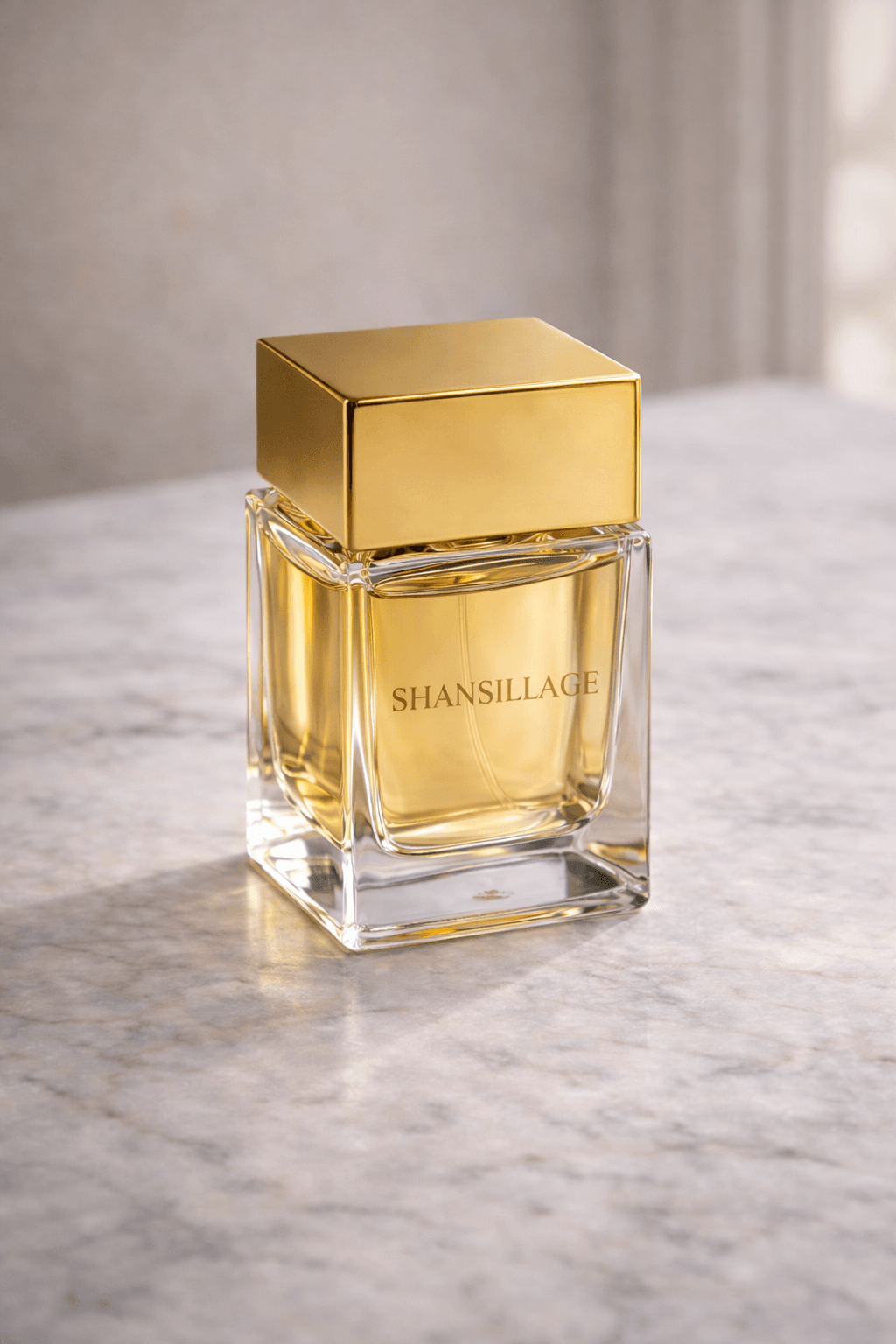
Indian winter is not one climate. The north is dry and cold enough for coats. The coast stays mild and damp. A perfume that feels luxurious in Chandigarh in January can feel thick in Chennai. The notes below are the ones that earn their place in both, with a lighter hand near the sea.
Notes that make sense in the cold
- Sandalwood and cedar: they smell polished when the air is dry, and they last through a day of layers and scarves.
- Amber and benzoin: warmth without turning the perfume into dessert.
- Soft spice, such as a little cardamom or pepper: better than a wall of clove, which tires a room.
- Resins and a quiet musk: they hold the fragrance on skin under wool.
This is the other half of the calendar from the monsoon guide and the summer heat guide. Summer wants air. Winter can hold a base note. The pyramid itself is explained in perfume notes.
What to ease off
Very green notes and sharp colognes collapse in dry cold; they smell thin. Very sweet vanilla and dense oud, worn at a summer spray count, become a blanket in a heated room. If you love those styles, keep them, and cut one spray. Dose matters more in winter because fabric holds whatever you over-apply. See how many sprays.
A winter wearing that stays elegant
Moisturise first. Dry winter skin eats perfume. Then two or three sprays of a woody amber on skin, not on the coat. A scarf can take one spray if you want the scent in the air around your face; more than that and the wool smells louder than you do. A sandalwood-amber eau de parfum such as Privé is built for exactly this weather: present, not festive-loud.
Winter is also when perfume gifts land well, because the bottle will actually be worn for months rather than saved for an air-conditioned evening. If you are choosing for someone else, the gifting guide keeps the focus on wearability instead of packaging alone.